Exactly How Bulk Containers Can Improve Performance in Your Packaging Operations
Mass containers play a vital role in maximizing packaging procedures. Their design allows better usage of upright room and promotes organized inventory management. This performance brings about decreased product replenishment frequency and reduced labor prices. Additionally, the durability of these containers lessens item damages. As companies look for ways to enhance their procedures, understanding the diverse advantages of mass containers ends up being important. What other benefits might they offer the table?
Streamlined Storage Solutions
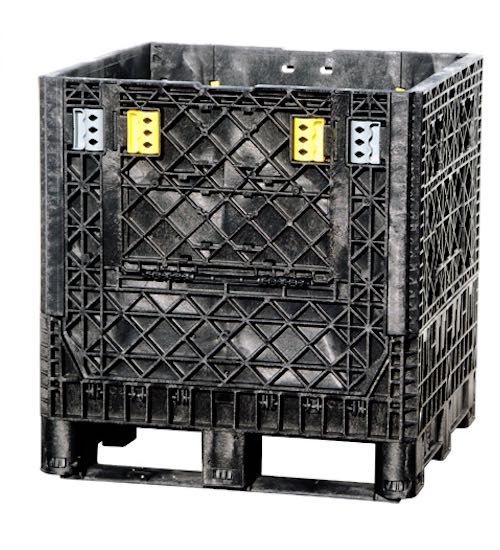
As companies look for to optimize their operations, structured storage space solutions have actually come to be important for enhancing packaging effectiveness. Efficient storage not only conserves room yet likewise assists in quicker access to materials, which is vital in busy production settings. Bulk containers, developed for very easy stacking and company, substantially reduce the complexity of storage systems. They enable businesses to optimize upright area while lessening the impact required for inventory.
Additionally, these containers frequently include ergonomic layouts that streamline taking care of and transportation, reducing the threat of injury and enhancing workflow. By consolidating products in bulk containers, firms can reduce the frequency of restocking and enhance their supply chain procedures. In general, the application of efficient storage options fosters an extra orderly work area, resulting in boosted efficiency and decreased operational prices. With thoughtful style and calculated use of bulk containers, organizations can attain significant renovations in their packaging operations.
Waste Decrease and Sustainability
While the quest of efficiency often drives packaging decisions, waste reduction and sustainability have emerged as essential considerations in contemporary procedures. Companies increasingly recognize that adopting bulk containers can greatly reduce material waste. These containers commonly make use of less packaging product than conventional techniques, leading to a smaller carbon footprint.
Bulk containers can be recycled multiple times, which better reduces the need for single-use product packaging and reduces overall waste entering land fills. Their layout frequently enables much easier recycling processes, straightening with sustainability objectives.
Furthermore, firms that prioritize waste reduction can enhance their brand track record, attracting environmentally aware consumers. By implementing mass containers, organizations not just enhance procedures but also contribute positively to ecological stewardship. This double advantage of functional performance and sustainability positions business positively in a competitive market significantly focused on green techniques.
Improved Production Line Efficiency

Carrying out mass containers on assembly lines greatly boosts performance by improving the handling and transportation of materials. By utilizing bulk containers, producers can minimize the frequency of product replenishment, permitting workers to focus on setting up jobs as opposed to consistent supply monitoring. This results in less disruptions and a smoother workflow, inevitably improving performance.
In addition, bulk containers are created for very easy integration with automated systems, better maximizing the assembly procedure. Their standardized dimensions and forms assist in much better company, allowing employees to locate and accessibility materials promptly. This reduction in search time adds to a much more fluid production setting.
Expense Savings and Enhanced Profit Margins
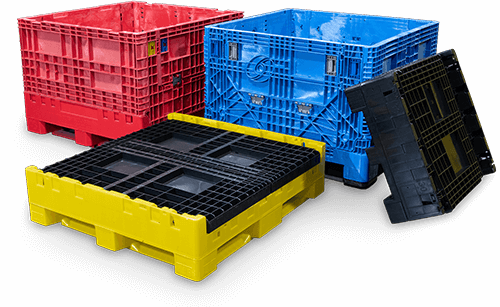
Remarkable cost financial savings can be understood with the fostering of bulk containers in product packaging procedures. By decreasing the requirement for several smaller plans, business can lower material costs notably. Mass containers usually need less packaging product on the whole, leading to reduced expenditures on supplies. Additionally, the performance of bulk handling decreases labor prices linked with packing and unpacking, additionally boosting cost savings.
Less journeys to distributors and minimized transportation costs are likewise key advantages, as mass containers permit for boosted item capability per delivery. This greater quantity not only reduces delivery costs however likewise maximizes storage room within centers, bring about enhanced supply administration.
The sturdiness of bulk containers commonly translates to reduce damages prices during handling and transportation, maintaining item honesty and reducing waste. Collectively, these elements add to enhanced revenue margins, making bulk containers a financially beneficial choice for organizations looking for efficiency in their packaging procedures.
Versatility Throughout Industries
Mass containers provide exceptional versatility across various markets, making them a beneficial possession past just cost savings. In the food and beverage industry, these containers facilitate the secure transport and storage of large amounts of ingredients, enhancing performance in manufacturing lines. In pharmaceuticals, bulk containers assure compliance with stringent health criteria while accommodating the bulk handling of raw materials. The chemical market additionally advantages, as these containers withstand extreme materials and protect against contamination, supporting safe procedures. used collapsible containers. Furthermore, the farming field utilizes mass containers for moving grains and fertilizers, enhancing logistics and lowering waste. Their flexibility encompasses manufacturing, where mass containers simplify setting up processes and minimize the need for too much product packaging. This cross-industry performance not only boosts operational efficiency yet additionally advertises sustainability via reduced product packaging waste, illustrating the integral role mass containers play in contemporary supply chains
Often Asked Concerns
Just How Do Mass Containers Impact Staff Member Safety in Packaging Procedures?
Mass containers considerably improve worker security in product packaging operations by minimizing hand-operated handling, lessening injury threats, and advertising ergonomic methods. Their design helps with safer transportation and storage space, eventually producing a more secure job setting for all employees.
What Materials Are Mass Containers Typically Made From?
Mass containers are usually made from resilient products such as high-density polyethylene, wood, metal, or polypropylene - refurbished bulk containers. These materials supply toughness, resistance used bulk containers to environmental elements, and viability for numerous components, guaranteeing efficient and secure transportation of goods
Can Mass Containers Be Customized for Particular Products?
Yes, bulk containers can be tailored for particular items. Makers often customize dimensions, products, and features to fulfill special requirements, ensuring excellent security and efficiency throughout storage and transport of numerous products.
Just How Do Mass Containers Affect Transport Logistics?
Bulk containers improve transport logistics by maximizing freight space, reducing the variety of trips required, and lessening dealing with costs (refurbished bulk containers). Their standard dimensions assist in reliable discharging and loading, ultimately causing improved operational effectiveness throughout the supply chain
What Is the Life-span of Mass Containers in Normal Usage?
The life expectancy of mass containers in routine use usually varies from five to 10 years, depending upon worldly high quality, managing practices, and ecological problems. Correct maintenance can considerably expand their functionality and efficiency.
Carrying out mass containers on assembly lines considerably boosts effectiveness by enhancing the handling and transportation of products. Mass containers typically need less packaging material generally, resulting in reduced expenses on products. In pharmaceuticals, mass containers assure compliance with stringent hygiene standards while suiting the bulk handling of raw products. Their flexibility extends to manufacturing, where bulk containers enhance setting up procedures and lower the demand for too much packaging. Bulk containers significantly improve staff member safety and security in packaging procedures by reducing hands-on handling, minimizing injury risks, and promoting ergonomic techniques.